Showers Designed for Specific Spaces
Custom Tile Shower Installation in West Norriton for homeowners who need durable, waterproof surfaces with personalized layouts and finishes
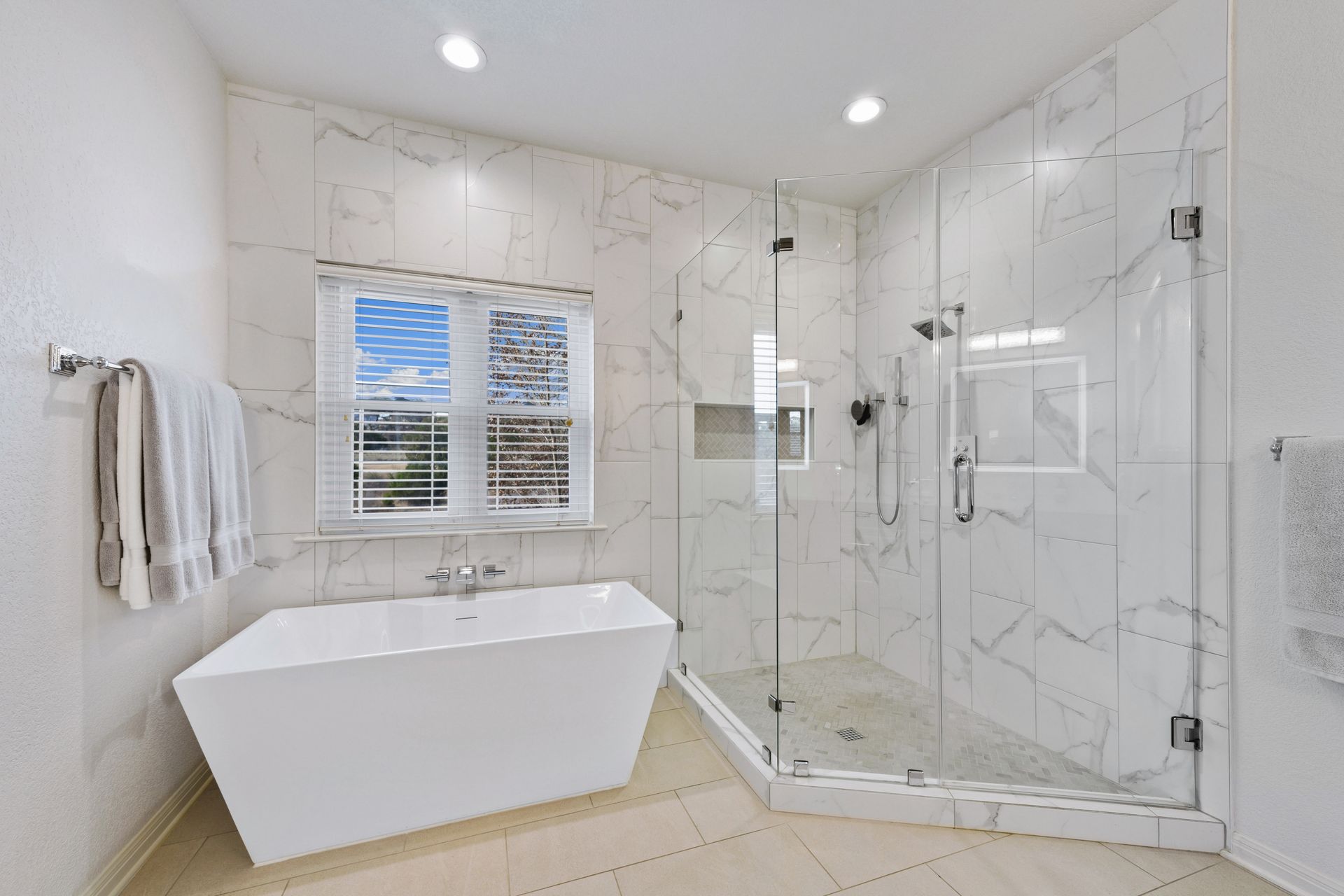
When you want a shower that fits exact dimensions, incorporates specific tile patterns, or includes built-in features like benches or niches, custom tile installation provides design control that prefabricated units cannot match. FORGE Renovation Group builds tile showers in West Norriton from floor to ceiling, using individually selected tiles to create layouts that reflect your preferences while meeting strict waterproofing and durability standards. The result is a shower that looks distinct and functions reliably through years of daily use without loosening, cracking, or allowing water to escape the enclosure.
Custom tile showers involve setting each tile in thinset mortar over waterproofed backer board, grouting joints with epoxy or high-grade cementitious grout, and sealing all seams to prevent moisture intrusion. Decorative accent tiles can be incorporated as borders, feature walls, or mosaic inserts, while recessed niches and corner shelves are framed and waterproofed during construction to provide storage without surface-mounted fixtures that collect water and soap residue. The installation requires precise measurement and leveling to maintain consistent grout lines and ensure proper drainage slope.
Arrange an on-site consultation to review tile options, layout configurations, and built-in features that fit your space and budget.
How Custom Tile Installation Addresses Specific Design Goals
Tile selection affects both appearance and maintenance requirements: larger format tiles reduce grout joint quantity and create cleaner visual lines, while smaller mosaic tiles provide slip resistance on shower floors and allow complex pattern work. Porcelain tiles resist water absorption more effectively than ceramic, and rectified edges allow tighter grout joints that are easier to clean and less prone to staining. Waterproofing systems include applying liquid or sheet membranes to all surfaces before tile is set, creating a continuous barrier that protects framing and prevents mold growth in wall cavities.
Once the installation is complete, you notice tile surfaces that remain firmly bonded to walls and floors, grout joints that repel water and resist discoloration, and built-in niches that provide storage without protruding hardware. The shower maintains its appearance through repeated cleaning and does not develop the mildew staining or grout deterioration common in installations where waterproofing was compromised or grout quality was insufficient. Water drains efficiently without pooling, and tile edges along door thresholds and curbs remain sealed and level.
FORGE Renovation Group uses high-quality grout formulations designed for wet environments and applies sealer to porous tile and grout surfaces to extend their resistance to staining and moisture penetration. Custom tile showers can include heated floors, multiple showerheads, or steam-rated enclosures, but each addition requires corresponding adjustments to waterproofing, ventilation, and structural support to maintain long-term performance.
Common Questions About Tile Shower Projects
Homeowners considering custom tile showers often ask about material choices, maintenance expectations, and how the installation process differs from prefabricated options.
What tile materials hold up best in floor-to-ceiling shower installations?
Porcelain tile with a low water absorption rate provides the most durable option for wet environments, resisting cracking and staining better than ceramic. Natural stone tiles require sealing and more frequent maintenance but offer unique appearance variations.
How are recessed niches and shelves built into tile showers without creating leak points?
Niches are framed into wall cavities during construction, lined with waterproof membranes that tie into the surrounding wall system, and then tiled with careful attention to sealing all edges and corners where water can penetrate.
What grout options are available and how do they differ in performance?
Epoxy grout resists staining and moisture penetration more effectively than cementitious grout, requires no sealing, and maintains color consistency over time, though it demands more skill during installation and costs more per square foot. High-quality cementitious grout with polymer additives provides a balance between cost and durability when properly sealed.
When does a custom tile shower make more sense than a prefabricated insert?
Custom tile installations suit non-standard dimensions, complex layouts with benches or multiple angles, and situations where specific aesthetic goals cannot be met with available prefabricated units. They require more labor and time but deliver design flexibility and long-term durability when installed correctly.
How does climate in West Norriton affect tile shower installations?
Seasonal temperature and humidity fluctuations require proper expansion joints at shower perimeters to prevent tile cracking as framing expands and contracts. Adequate bathroom ventilation prevents excessive moisture accumulation that can stress grout joints and waterproofing membranes over time.
FORGE Renovation Group completes custom tile showers with attention to waterproofing integrity and grout quality that prevent common failure patterns. Schedule a planning session to discuss tile selections and layout details specific to your project.